
Chemistry Nobel goes to reactions like those that gave life a hand
Altering molecular handedness has implications for the origins of life.
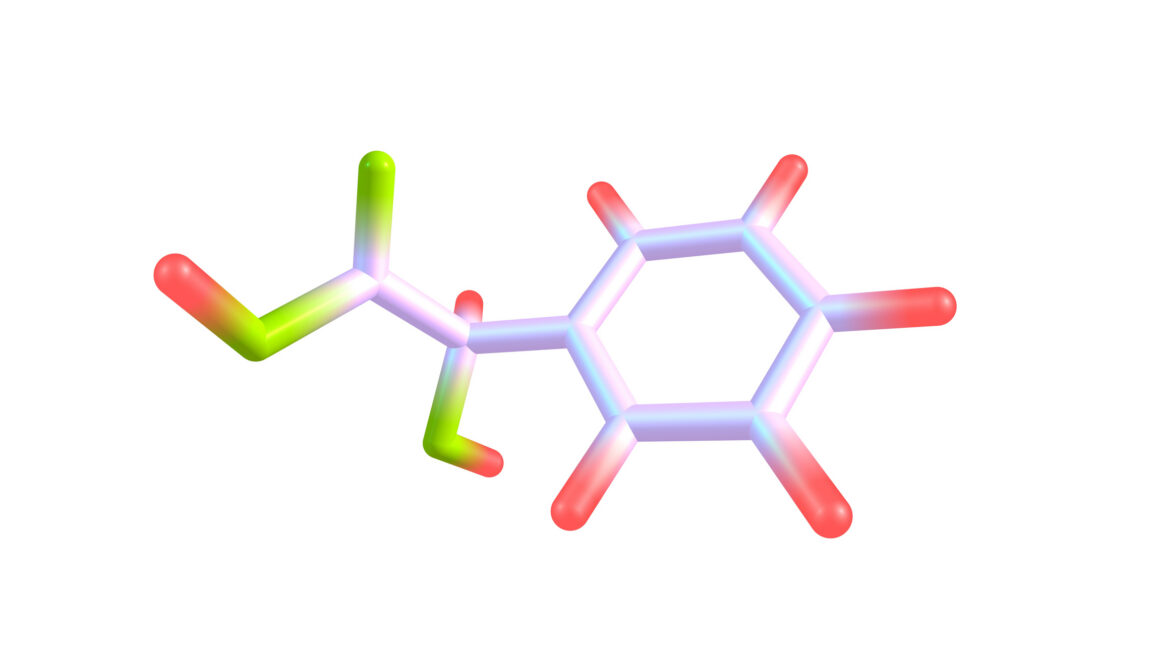
Altering molecular handedness has implications for the origins of life.
The short version
- Life relies on many molecules with what is termed “handedness”—they’re chemically identical but are mirror images of each other.
- Most chemical reactions will make a 50-50 mix of the left- and right-handed forms of a chemical, but life uses only one of them.
- In fact, because of the differences between left- and right-handed chemicals, most of the key enzymes used by organisms will fail to work if they’re presented with chemicals that have the wrong handedness.
What happened
That poses a bit of a challenge for origin-of-life research, as we’re forced to explain how a world that may have started with an even mix of left- and right-handed chemicals produced organisms that only used one of them. Try to feed the enzyme the mirror-image version of that same chemical, and it will often fail to fit the binding site.
Why it matters
Since life uses nothing but the D form of sugars, all of its enzymes are optimized to latch onto those, and many cannot interact at all with the L form.
Summary by Nerd News Network. Read the full article at Ars Technica via the links above and below.