
Factoring daily weather extremes into glacier models reveals greater ice loss and faster sea-level rise
A new study led by researchers at ETH Zurich (Switzerland) and the Vrije Universiteit Brussel (Belgium) reveals that glaciers worldwide could lose ice faster than previously projected.
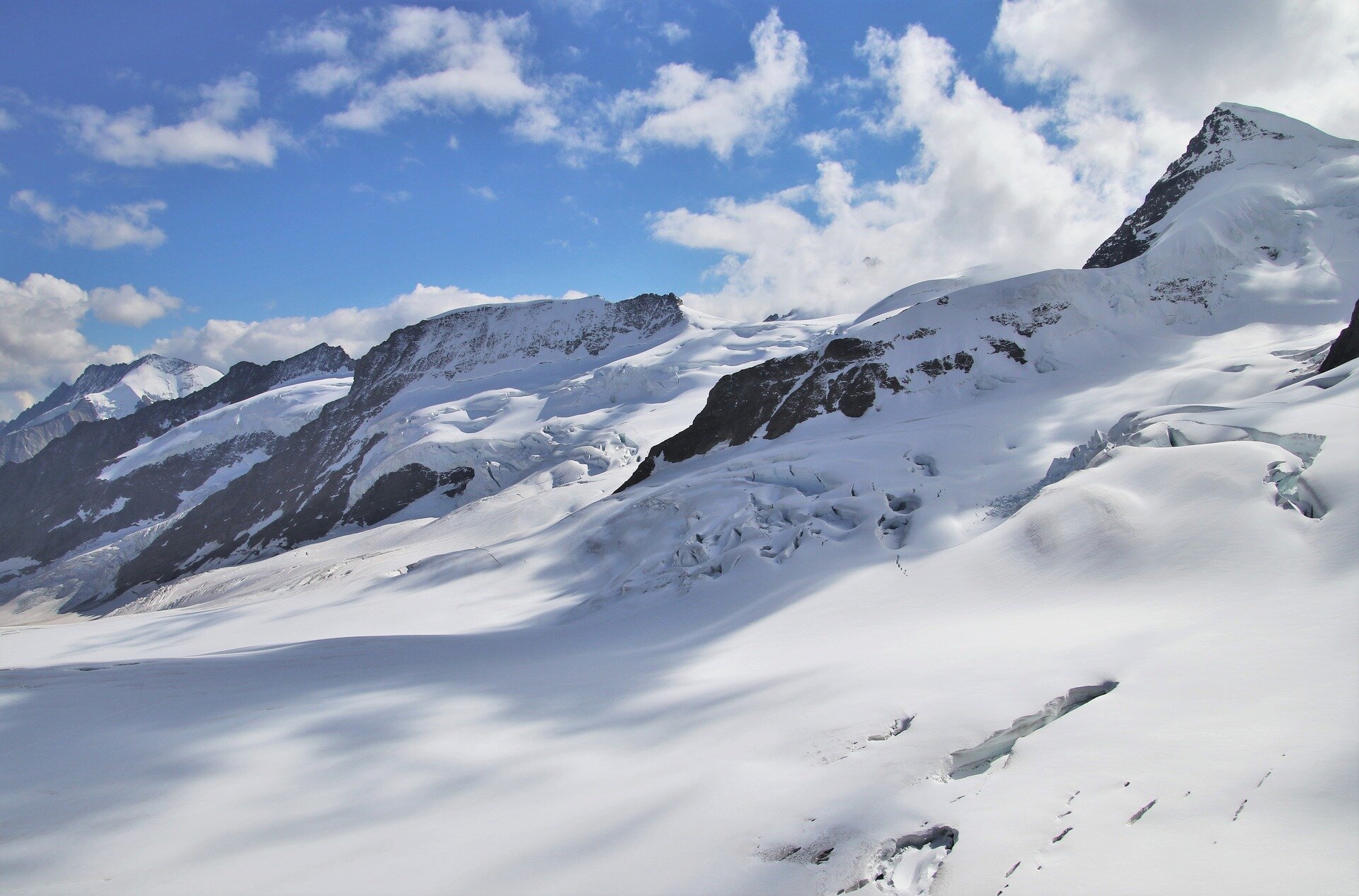
A new study led by researchers at ETH Zurich (Switzerland) and the Vrije Universiteit Brussel (Belgium) reveals that glaciers worldwide could lose ice faster than previously projected.
The short version
- Published in Nature Communications, the research shows that accounting for daily weather variability leads to more realistic simulations of glacier melt and results in greater projected ice loss by the end of the century.
- The findings highlight the importance of short-lived weather events, such as the exceptional heat waves and extreme melt seasons recently observed in several glacierized regions around the globe.
- This article has been reviewed according to Science X's editorial process and policies .
What happened
Editors have highlighted the following attributes while ensuring the content's credibility: Most global glacier models rely on monthly climate data, which smooth out short-term weather fluctuations. Yet glaciers respond rapidly to individual weather events, including heat waves, heavy precipitation and sudden temperature changes.
Why it matters
A few exceptionally warm days can rapidly remove protective snow cover, exposing darker glacier ice that absorbs more sunlight and melts faster.
Summary by Nerd News Network. Read the full article at Phys.org via the links above and below.