
Farmed salmon may not be as nutritious as it once was, new research suggests
The shift in the fish’s diet is having significant downstream impacts on the environment and climate.
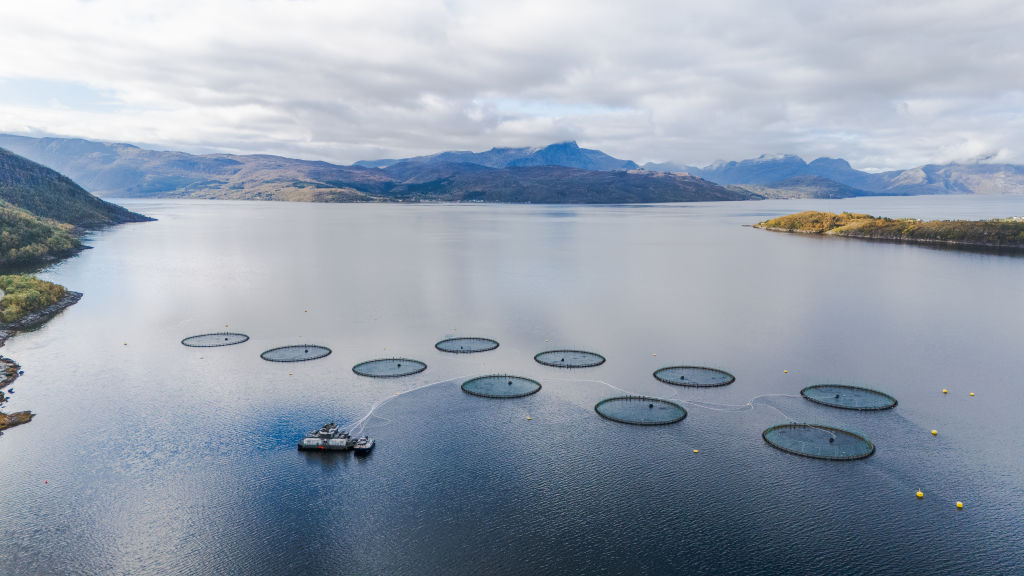
The shift in the fish’s diet is having significant downstream impacts on the environment and climate.
The short version
- That dietary advice has changed the way the world consumes salmon, pushing consumer demand ever upward and production to higher and higher levels.
- Most of that demand is being met with farmed salmon: Today, nearly 70 percent of the salmon consumed on the planet are raised in pens and cages.
- “These old figures are what are still used in their national dietary guidance,” said Laura Lee Cascada, director of the Aquaculture Accountability Project, a watchdog group.
What happened
A 2016 study noted similar declines, also attributable to the shift toward a crop-intensive diet. Salmon has played a key role in the explosive growth of global aquaculture, becoming a mainstay in the diets of health-conscious eaters or those trying to cut down on terrestrially farmed protein, especially beef, for both health and environmental reasons.
Why it matters
The amount of farmed salmon tripled between 2000 and 2020, far outpacing the production of any other type of finned fish.
Summary by Nerd News Network. Read the full article at Ars Technica via the links above and below.