
IBM expands mainframe networking options as AI reshapes enterprise infrastructure
IBM’s mainframe has come a long way from the time when it operated as a specialized networking island.
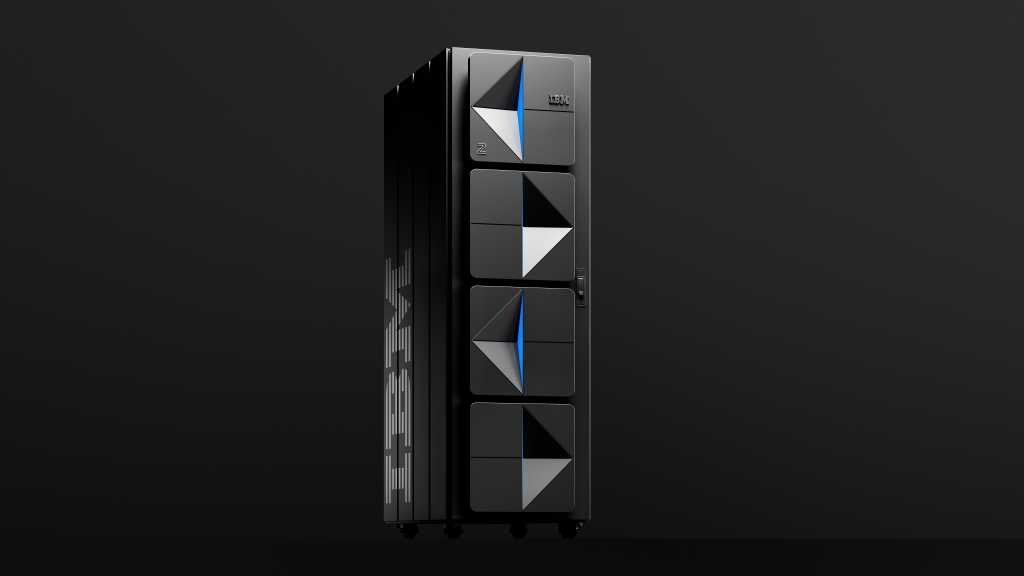
IBM’s mainframe has come a long way from the time when it operated as a specialized networking island.
The short version
- Today, IBM Z is designed to be a high-performance participant in the wider enterprise network, using standard Ethernet and IP while adding sophisticated technologies for low-latency and high-throughput communications.
- “The strategy is to ensure IBM Z is a deeply integrated part of a client’s broader hybrid infrastructure,” Andrew Crimmins , IBM master inventor and principal product manager for IBM Z, told Network World .
- “That means continuing to improve bandwidth, latency, and I/O capacity while making it easier for the mainframe to connect with cloud environments, distributed systems, storage, and AI infrastructure .
What happened
The DPU architecture is integrated with the IBM Telum II processor architecture that underpins current IBM Z systems. Offloading I/O function from the main processor cores isn’t a new strategy—IBM has done it in the past with custom ASICs on its I/O cards, Crimmins said.
Why it matters
But the move to an on-chip DPU offers several benefits over the prior ASIC model, including: Clients continue to get the benefit of not spending Z core cycles on the overhead of I/O functions.
Summary by Nerd News Network. Read the full article at Network World via the links above and below.