
Medieval manuscripts are "biological time capsules" for deadly sheeppox virus
Other archives and libraries around the world may also contain genetic traces of past disease outbreaks.
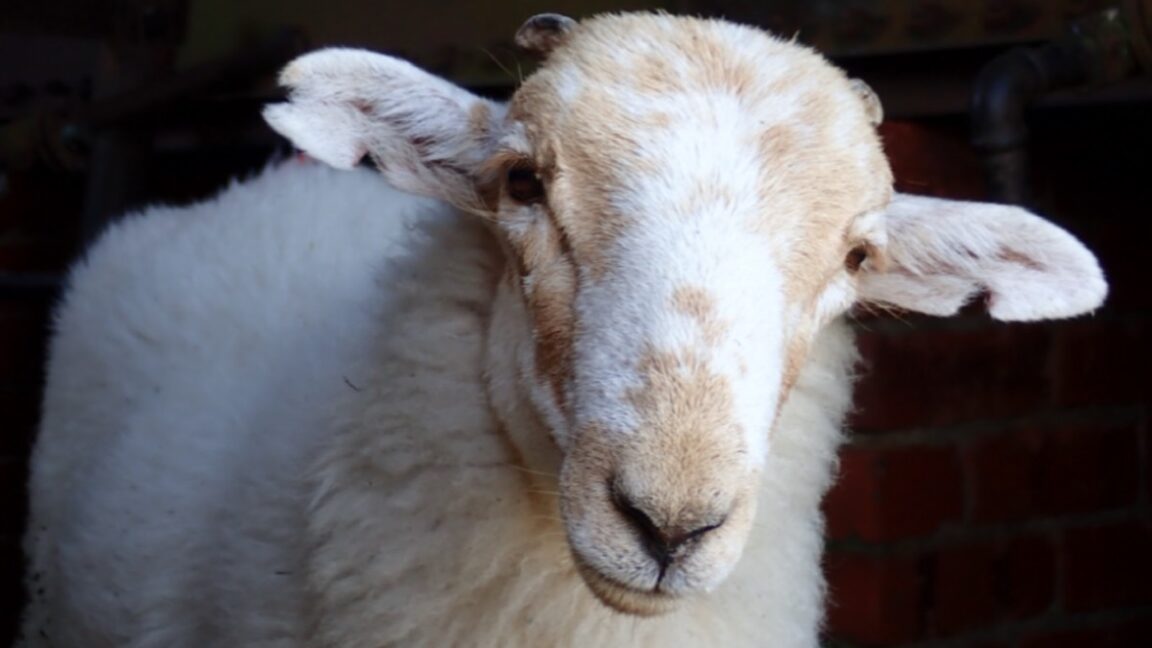
Other archives and libraries around the world may also contain genetic traces of past disease outbreaks.
The short version
- However, very little was known about the genetic history of the sheeppox virus.
- That’s why L’Hôte et al. turned to analyzing DNA in medieval manuscripts—the parchments were often made from sheep leather.
- A number of analytical techniques have emerged in recent decades to help create these kinds of historical molecular records.
What happened
For instance, last year we reported on research that used microbial DNA analysis of human remains to identify the likely pathogens that killed many soldiers in Napoleon’s army in 1812. Two pathogens in particular stood out: Salmonella enterica , which causes paratyphoid fever , and Borrelia recurrentis , which is transmitted by body lice and causes relapsing fever .
Why it matters
Both are consistent with written contemporary accounts.
Summary by Nerd News Network. Read the full article at Ars Technica via the links above and below.