
NASA's Hubble and Webb discover ancient worlds that remember their past
NASA’s Hubble and James Webb Space Telescopes have uncovered surprising clues about the solar system’s origins by studying 27 tiny, distant objects beyond Neptune.
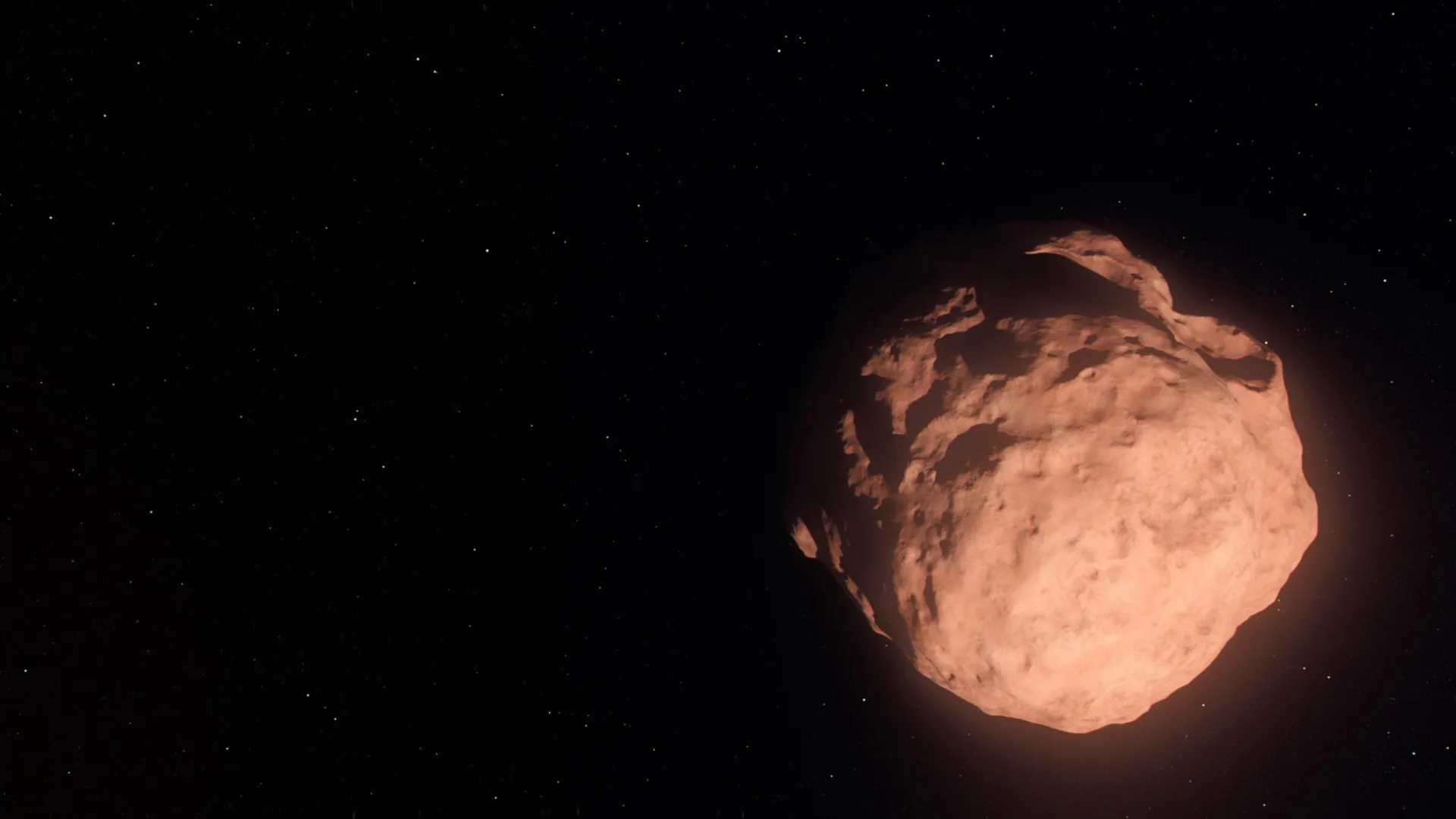
NASA’s Hubble and James Webb Space Telescopes have uncovered surprising clues about the solar system’s origins by studying 27 tiny, distant objects beyond Neptune.
The short version
- Scientists discovered that these ancient building blocks of planets have remained remarkably unchanged for billions of years, while their unexpected sizes and numbers challenge existing theories of planet formation.
- NASA's Hubble and James Webb Space Telescopes have uncovered surprising clues about the earliest days of our solar system by examining some of the smallest and faintest objects ever observed beyond Neptune.
- The findings challenge expectations about how planets form and suggest that these distant, icy bodies have preserved evidence of their origins for billions of years.
What happened
For the first time, astronomers combined observations from Hubble and Webb to investigate trans-Neptunian objects (TNOs), tiny bodies that travel around the Sun far beyond Neptune's orbit. Researchers discovered 27 previously unknown objects, but their findings revealed an unexpected puzzle.
Why it matters
There were fewer small objects than some theories predicted, and their colors closely resembled those of much larger objects in the same distant regions.
Summary by Nerd News Network. Read the full article at ScienceDaily — Top Science via the links above and below.