
NASA’s New AI Space Chip Could Let Spacecraft Think for Themselves
NASA is testing a radiation-hardened processor with roughly 100× the power of today’s space chips, built to let craft on the Moon, Mars and beyond make real-time decisions on their own.
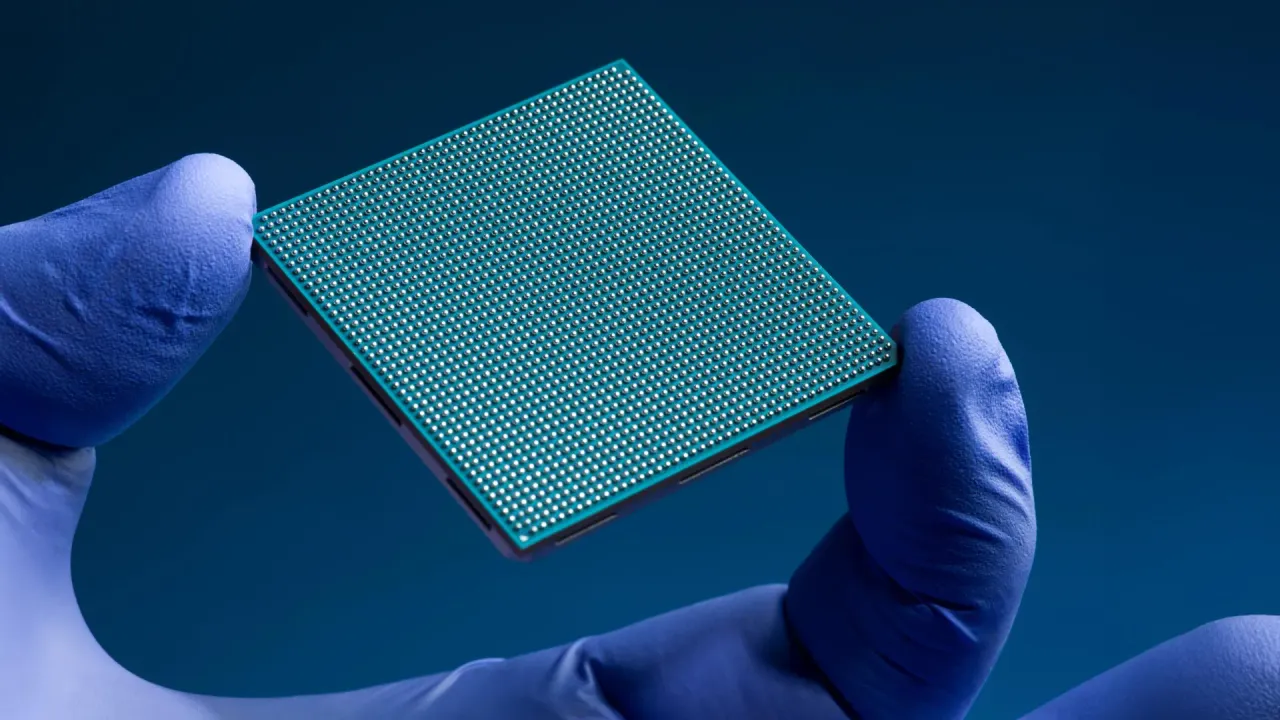
NASA is testing a processor that could let spacecraft think for themselves far from home, packing orders of magnitude more power than today’s space-rated chips.
The short version
- The High-Performance Spaceflight Computing (HPSC) processor is radiation-hardened for deep space.
- It delivers roughly 100× the compute of current space processors — and up to ~500× versus today’s rad-hardened chips in some tests.
- It’s built jointly by NASA’s JPL and Microchip Technology, targeting Moon, Mars and long-duration missions.
- More onboard power enables real-time autonomy: driving rovers faster, filtering images and acting without waiting on Earth.
Why it matters
Light-speed delays make remote control impractical in deep space; smarter onboard computing lets missions make decisions for themselves.
Summary by Nerd News Network. Read the full article at ScienceDaily via the links above and below.