
Parasitic zombie-ant fungus thrives in mosses, too
This may help fungi survive host scarcity and explains why infected hosts prefer the mosses as death sites.
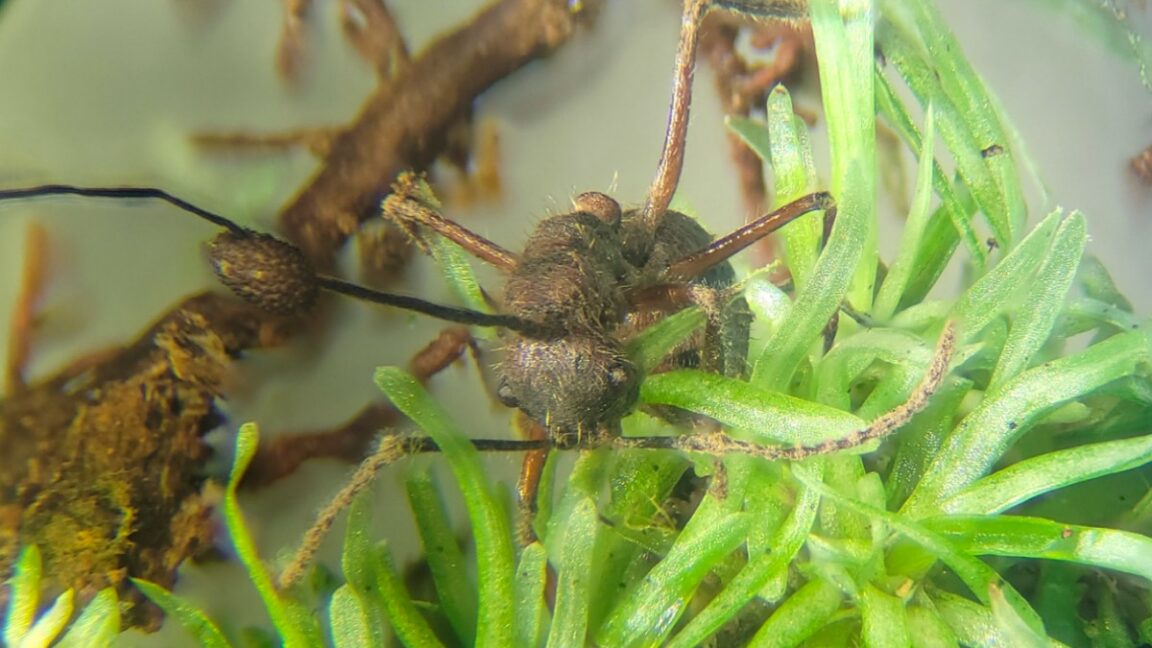
This may help fungi survive host scarcity and explains why infected hosts prefer the mosses as death sites.
The short version
- The parasitic fungi in the Cordyceps genus are a favorite subject of nature documentaries.
- They’ve also infiltrated popular culture via the zombie-apocalypse video game The Last of Us (2013) and its TV adaptation , in which a parasitic fungus mutates to infect humans.
- Scientists are keen to study Cordyceps to learn more about the origins and intricate mechanisms underlying these pathogen-based diseases.
What happened
It could also explain why the host species seems to prefer biting into mosses during their final death throes. The fungus then slowly devours the ant, sprouting through its head in one final indignity.
Why it matters
The bulbous growths on the ends of the mycelia burst, releasing even more spores into the air to infect even more unsuspecting ants.
Summary by Nerd News Network. Read the full article at Ars Technica via the links above and below.